EN
EN

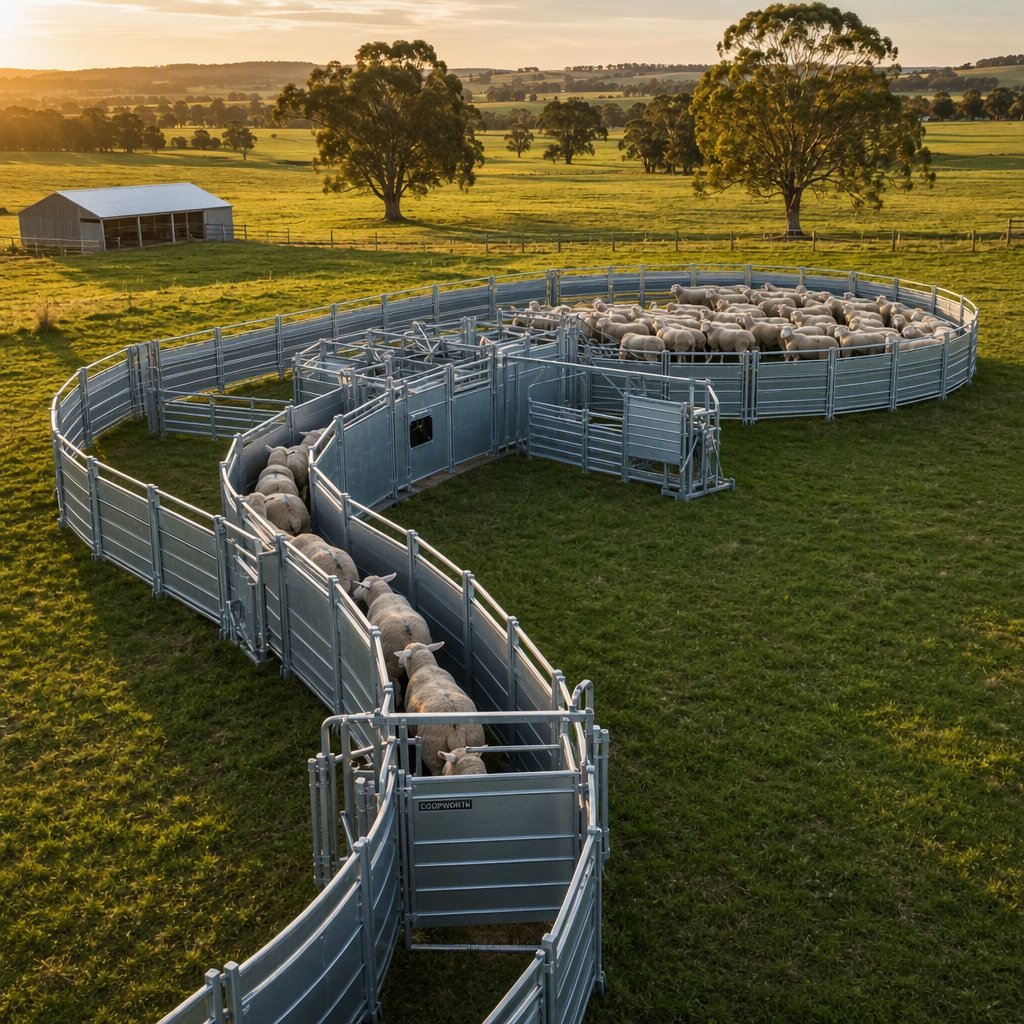
A livestock fence does more than mark a boundary. It helps control animal movement, separate feeding or handling areas, protect equipment, and support safer daily farm operations. For buyers planning a permanent cattle, sheep, goat, or mixed-livestock enclosure, galvanized steel fence panels offer a practical balance of strength, corrosion protection, low maintenance, and customization.
However, not every galvanized fence is built in the same way. Steel grade, tube dimensions, opening size, weld quality, coating method, gate design, and installation conditions all affect long-term performance. This guide explains what farm owners, distributors, contractors, and agricultural equipment buyers should evaluate before ordering galvanized livestock fencing.
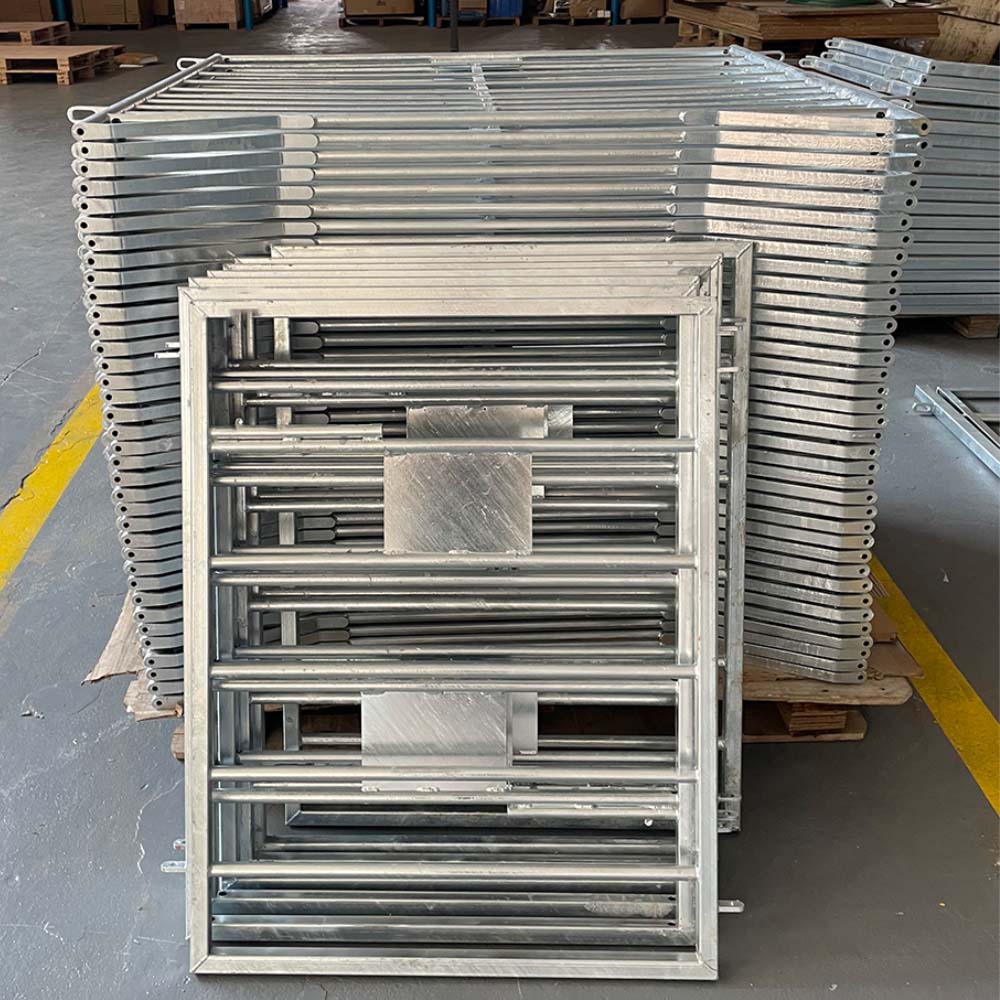
Outdoor farm fencing is regularly exposed to rain, mud, manure, cleaning water, changing temperatures, and mechanical impact. Bare carbon steel can corrode when moisture and oxygen reach the surface. Galvanizing adds a zinc coating that protects the underlying steel and reduces direct exposure to the environment.
For fabricated iron and steel products, buyers commonly reference standards such as ASTM A123/A123M for hot-dip galvanized coatings. ISO 14713-2 also provides design guidance for steel articles that will be hot-dip galvanized after fabrication. The correct requirement depends on the product, target market, project specification, and agreed inspection method.
From a purchasing perspective, the term “galvanized” is not enough. Ask the supplier to state:
These questions make quotations easier to compare and help prevent misunderstandings during production.
Two fence panels can look similar in a product photo while having different manufacturing routes.
Pre-galvanized tube or sheet is zinc-coated before it is cut, formed, and welded. It can be suitable for controlled applications when the exposed edges and heat-affected areas receive an appropriate repair coating. It may also provide a smoother, more uniform appearance.
The main purchasing concern is what happens after cutting and welding. Buyers should inspect the protection around weld seams, corners, holes, and open tube ends rather than judging only the broad flat surfaces.
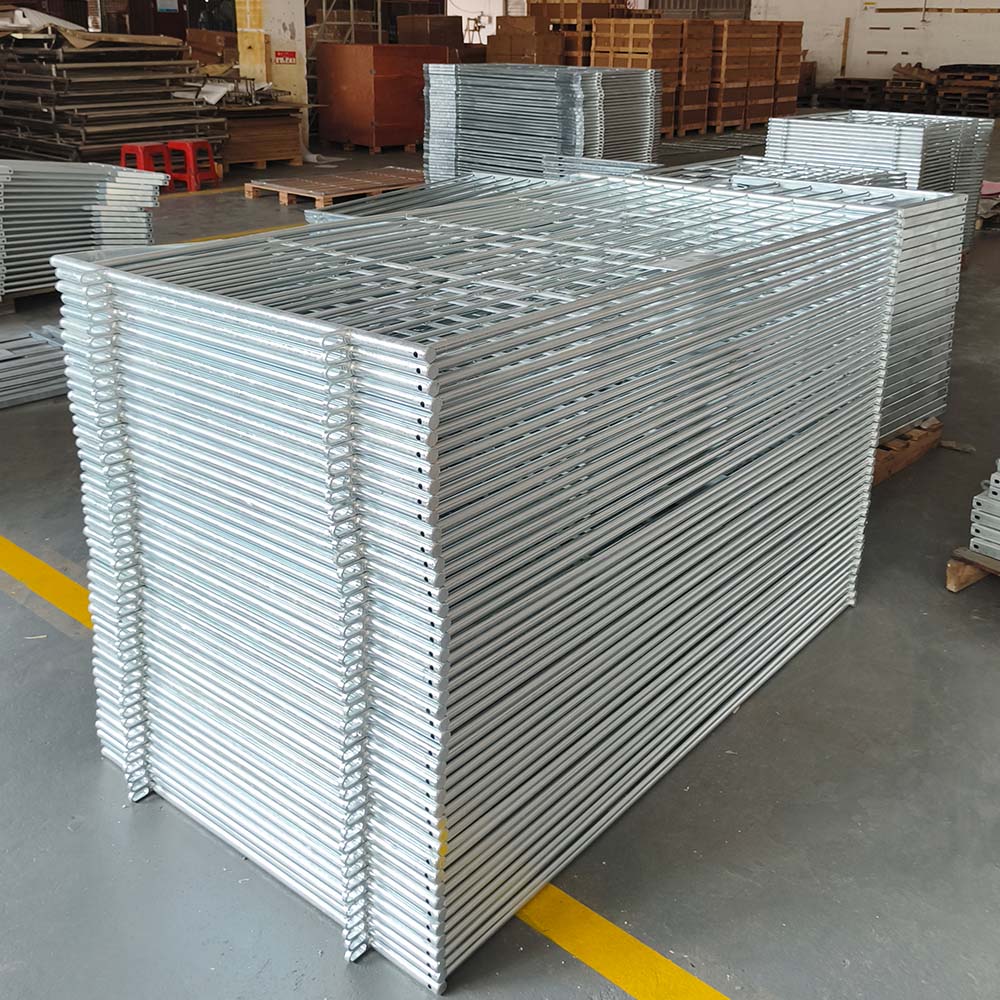
In this route, the steel frame or panel is cut, welded, cleaned, and then immersed for galvanizing as a completed assembly. The process can cover the fabricated structure, including many edges and welded areas, but the component must be designed for safe and effective galvanizing.
Hollow sections require suitable venting and drainage. Trapped liquids, enclosed spaces, overlapping surfaces, and poorly positioned holes can create coating defects or processing hazards. This is why galvanizing should be considered during product design—not treated as an afterthought after welding is complete.
For harsh outdoor environments or long-term permanent fencing, many project buyers specifically evaluate post-fabrication hot-dip galvanizing. The final choice should be based on the farm environment, required service life, budget, appearance expectations, and applicable standard.
The best galvanized livestock fencing is not simply the heaviest panel available. It is a system matched to animal behavior, pressure, visibility, terrain, and workflow.
Cattle fence panels need strong frames, reliable joints, and stable posts because animals can lean against or push the barrier. Handling pens, loading areas, corners, and narrow passages usually experience more pressure than a straight pasture boundary. These high-contact areas may require a more robust frame or closer support spacing than low-pressure divisions.
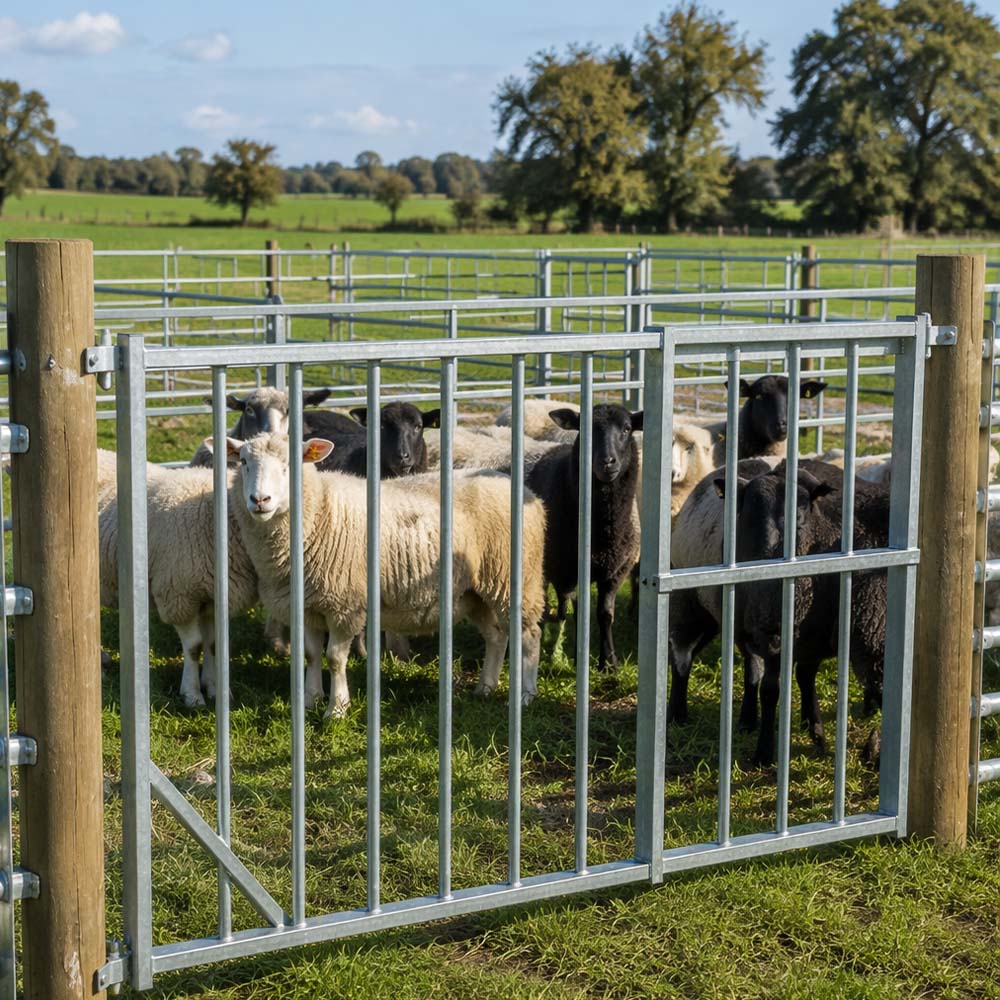
Smaller livestock often require tighter openings, especially near the lower part of the fence. The layout should reduce the risk of an animal placing its head or legs through an unsuitable gap. Buyers should specify the approximate animal size and whether young animals will use the enclosure.
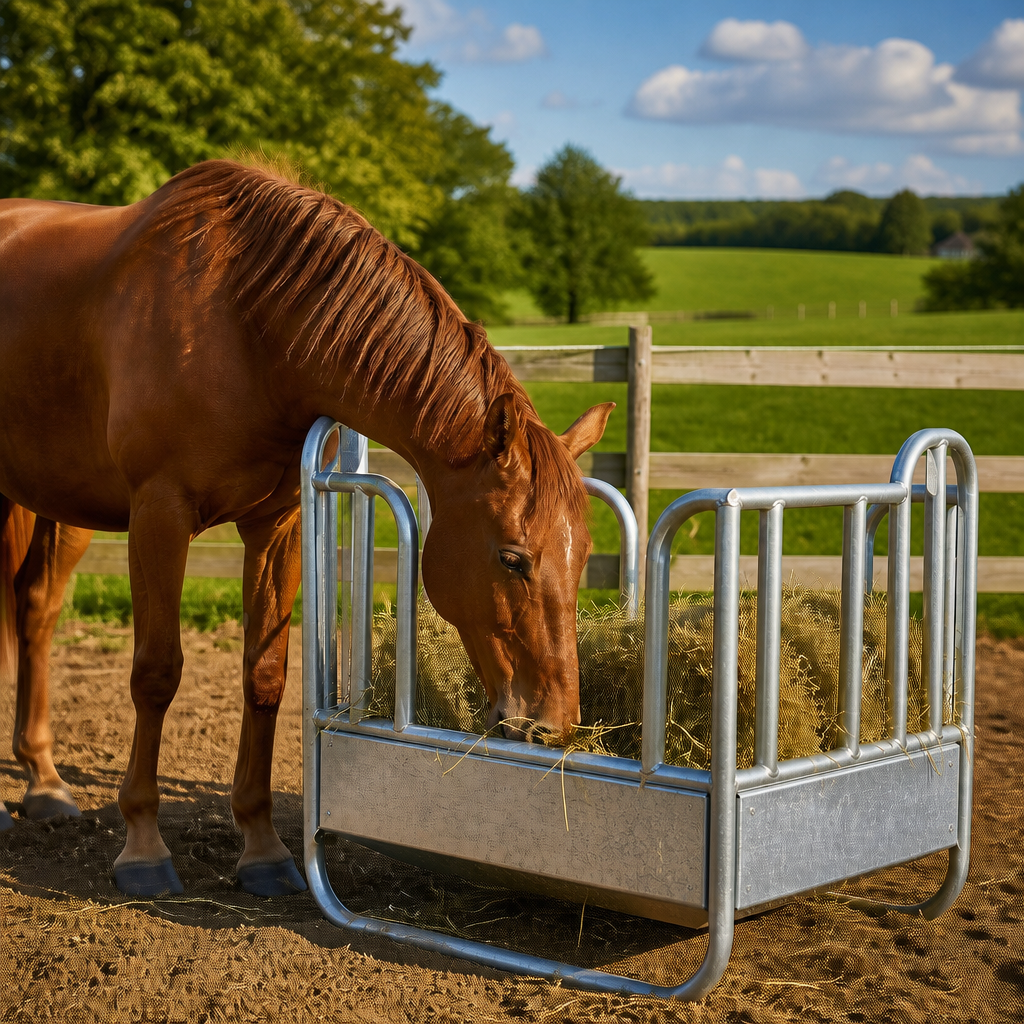
Visibility and smooth surfaces are especially important around horses. Sharp edges, protruding wire ends, rough weld spatter, and exposed fasteners should be avoided. A visible panel profile and carefully finished connections can reduce avoidable contact hazards.
A mixed farm may need different panel types for perimeter fencing, internal paddocks, feeding areas, quarantine pens, and handling lanes. Standardizing post connections and gate hardware while varying the infill pattern can simplify installation and spare-parts management.
Livestock fencing is often described as a wire or tube product, but professional sheet metal fabrication can improve the complete system. Custom brackets, mounting plates, gate latches, hinges, post caps, base plates, feeders, guards, and equipment interfaces may all be produced as coordinated metal components.
A capable custom metal fabrication supplier can combine several processes in one project:
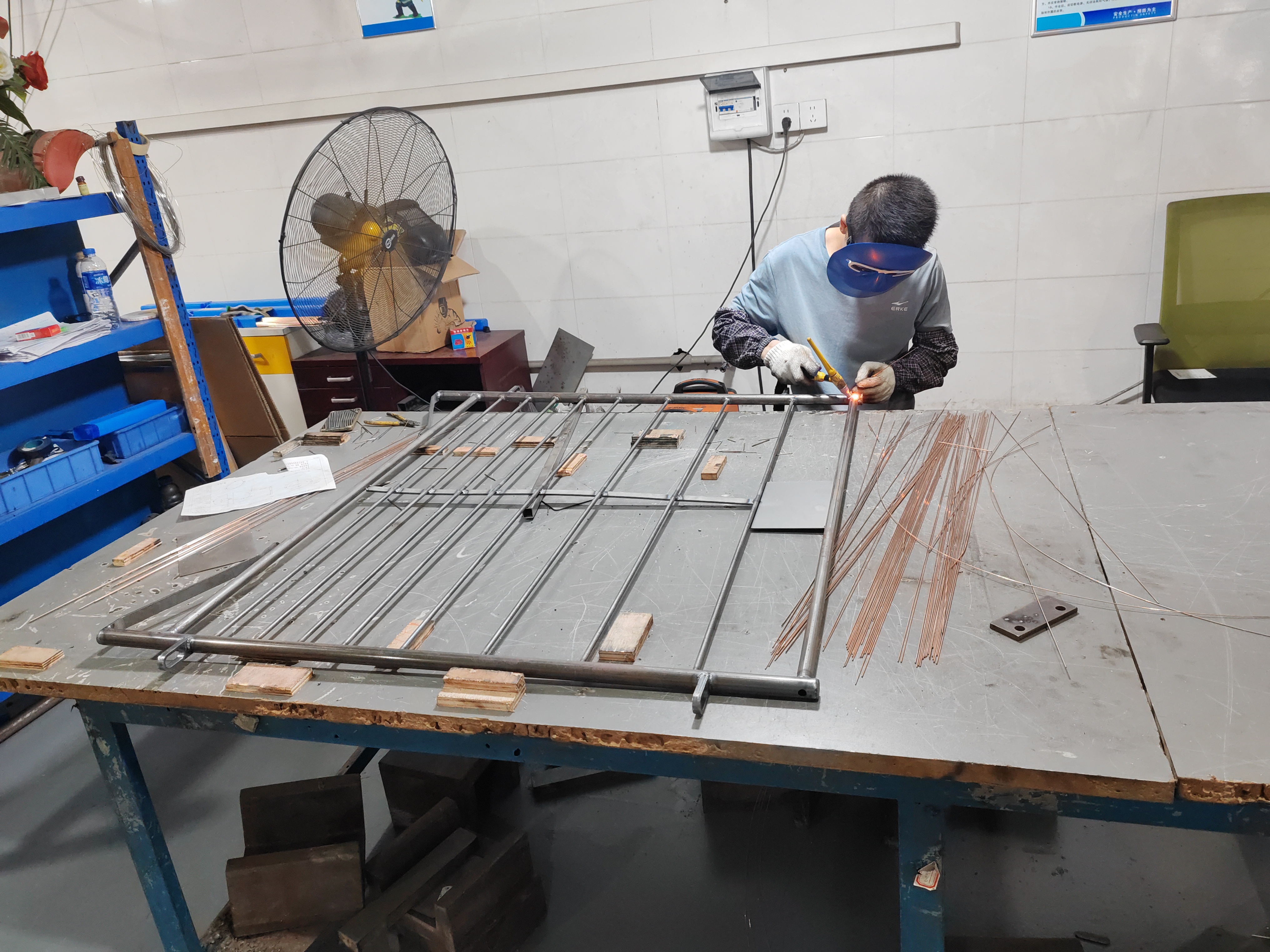
This integrated approach is useful for OEM buyers who need more than a generic fence panel. It supports custom dimensions, private-label packaging, matching gates, farm-specific mounting conditions, and compatibility with other agricultural equipment.
Provide the required width, height, frame profile, rail arrangement, and installation clearance. If the panels must fit an existing yard or post system, share verified interface dimensions instead of relying only on reference photos.
Specify the expected steel grade or performance requirement, tube or wire profile, wall thickness, and any critical load condition. Heavier material is not automatically better if the connection design, welds, or posts are inadequate.
The spacing should match the animal type and age group. Pay particular attention to lower openings where smaller animals may reach through. For custom fence panels, a drawing should clearly show the opening layout rather than stating only a general mesh description.
Consistent weld size, joint location, penetration, alignment, and removal of sharp spatter all matter. Ask how the factory controls distortion and panel squareness. For repeat orders, a welding fixture and approved golden sample can help maintain consistency.
State whether the project requires pre-galvanized material, hot-dip galvanizing after fabrication, or another coating system. Identify the applicable standard, inspection method, and acceptance criteria in the purchase documents. Do not assume that every supplier interprets “heavy galvanized” in the same way.
A fence panel is only as useful as its installation system. Confirm clamps, pins, brackets, post spacing, anchors, hinges, latches, and replacement parts. Connection points should be accessible for installation and protected against corrosion.
Galvanized surfaces can be marked by poor stacking or trapped moisture. Discuss separators, bundle design, edge protection, forklift access, container loading, and storage instructions. Packaging should protect both the zinc surface and the panel geometry during international transport.
A practical quality plan should follow the product from incoming material to final loading. Depending on the order and specification, inspection may include:
For B2B projects, clear evidence is more useful than broad claims. Buyers can request drawing revisions, material records, first-article photos, inspection reports, coating test results, and loading images as appropriate to the order.
Farm fencing is a long-term investment, so purchase price should not be the only comparison point. Installation labor, maintenance frequency, replacement availability, animal pressure, local soil conditions, drainage, and corrosion exposure all influence lifetime cost.
A well-designed modular system can reduce field cutting and welding. Standardized panels and replaceable hardware also make repairs easier. Gates should be positioned around actual livestock and equipment movement, not added wherever space remains. Straight fence runs are generally easier and more economical to construct, while high-pressure areas deserve stronger support and careful layout.
Before approving production, review the complete system on a site plan. Mark boundaries, lanes, water access, handling areas, vehicle routes, slopes, drainage paths, gates, corners, and expected animal pressure. This turns a fence purchase into an operational design decision rather than a simple material order.
Use the following checklist when evaluating a supplier:
A reliable answer should be supported by drawings, process details, inspection evidence, and a clear quotation—not only marketing language.
For distributors, agricultural equipment brands, contractors, and large farms, a custom fence project often involves more than choosing a catalog size. The supplier may need to coordinate panel geometry, sheet metal brackets, gates, posts, welded assemblies, surface treatment, quality control, and export packaging.
Working with an experienced OEM metal fabrication partner can simplify this process. The most useful request for quotation includes the animal type, application, target market, site conditions, drawings or reference dimensions, required finish, order quantity, packaging expectations, and any applicable standard.
If you are planning custom galvanized livestock fence panels, prepare a simple specification sheet and send it with your drawings or site requirements. A manufacturing review before production can identify unclear interfaces, coating risks, installation issues, and opportunities to reduce unnecessary cost.
Need custom galvanized livestock fencing, gates, brackets, or welded farm components? Contact our metal fabrication team with your drawing, required quantity, target application, and destination market for a manufacturability review and quotation.
Yes, when the frame strength, opening pattern, posts, connections, and installation are designed for the specific animal and pressure level. Cattle areas may need more robust support, while sheep and young animals usually require closer attention to opening size.
Pre-galvanized material is coated before cutting and welding. Hot-dip galvanizing after fabrication coats the completed steel assembly after it has been manufactured and cleaned. Each route has different design, appearance, cost, and corrosion-protection considerations.
Yes. Custom options may include panel dimensions, rail or mesh layout, tube profiles, gates, hinges, latches, mounting plates, posts, brackets, packaging, and private labeling. Accurate drawings and application details help the manufacturer confirm feasibility.
Depending on the design, production may include laser cutting, tube cutting, CNC bending, forming, precision welding, fixture assembly, hot-dip galvanizing, inspection, and export packing.
Compare material dimensions, steel requirements, welding scope, galvanizing route, coating specification, included hardware, inspection records, packaging, and delivery terms. Avoid comparing only the unit price or the word “galvanized.”